Original Empowerment, International Recognition - Ensheng Medical Helps Xiangya Hospital, ESAL Prediction Tool is Released with Heavy Weight
EndoVas March 24, 2025 19:37 Shanghai
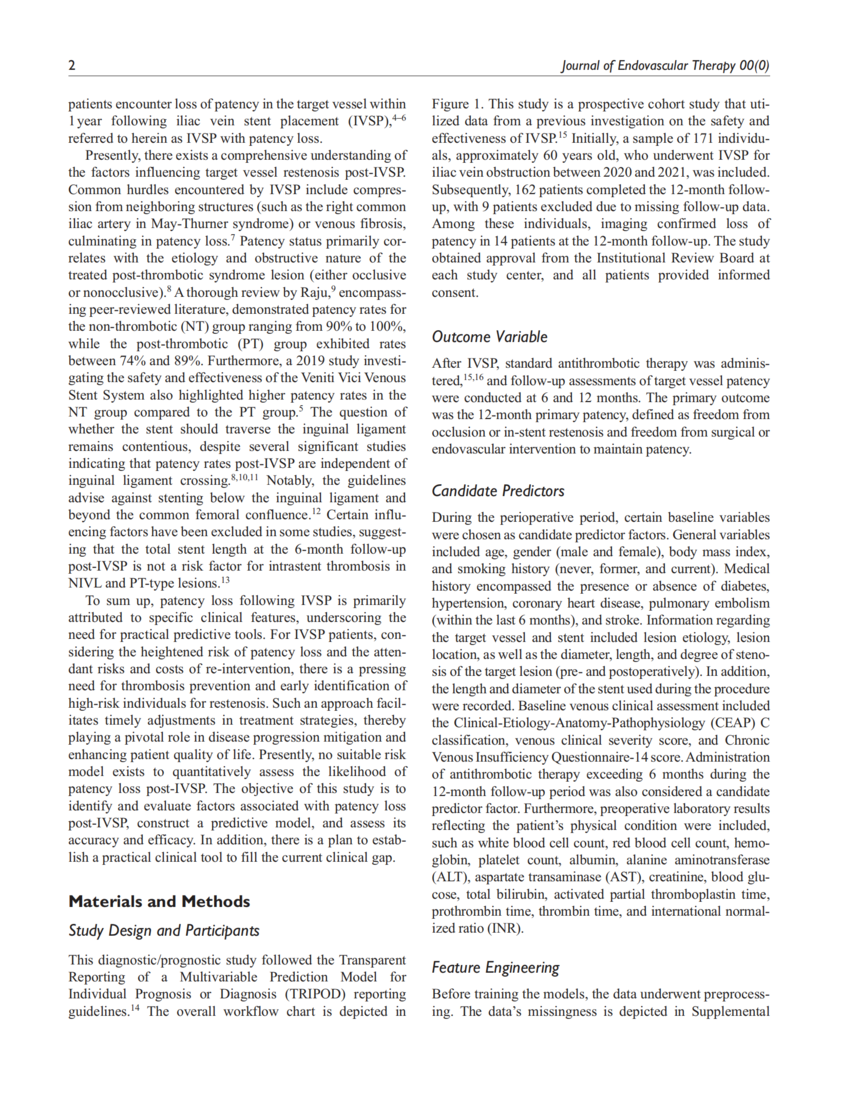
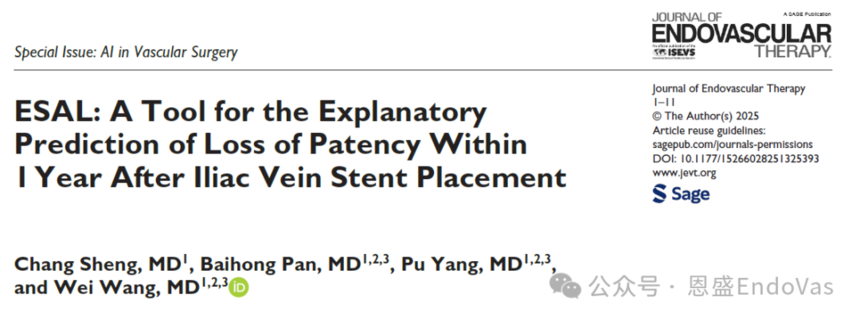
As an innovative enterprise deeply involved in the field of peripheral venous vessels, Ensheng Medical has always been committed to transforming cutting-edge technology into clinical value, benefiting a wider range of clinical doctors and patients. Ji En Sheng Medical V-Mixtent ® After the clinical trial of the venous stent system was published in the international authoritative journal BMC Medicine, Professor Wang Wei's team from the Department of Vascular Surgery at Xiangya Hospital once again collaborated with Ensheng Medical to develop the ESAL prediction tool (etiology stenosis age lesion length classification model), which was heavily published in the international authoritative journal "Journal of Endovascular Therapy"!
Paper information:
Research background and purpose:
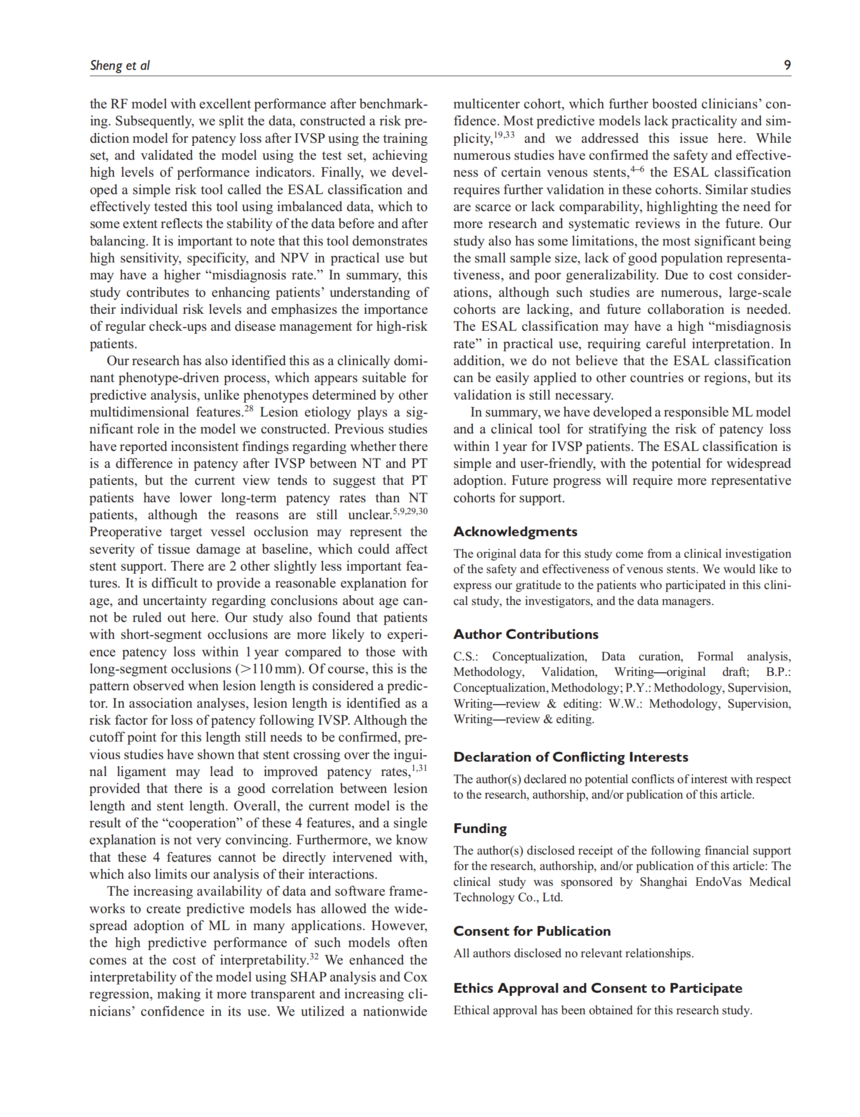
Iliac vein stenting (IVSP) is a commonly used method for treating deep vein occlusion, but about 10% of patients face the risk of stent restenosis or thrombosis within one year after surgery. Traditional experiential management is difficult to accurately identify high-risk populations, leading to waste of medical resources and increased burden on patients. Based on this, the study developed a clinically practical prediction tool (ESAL classification) to assess the risk of stent patency loss within one year after IVSP surgery.
research methodology:
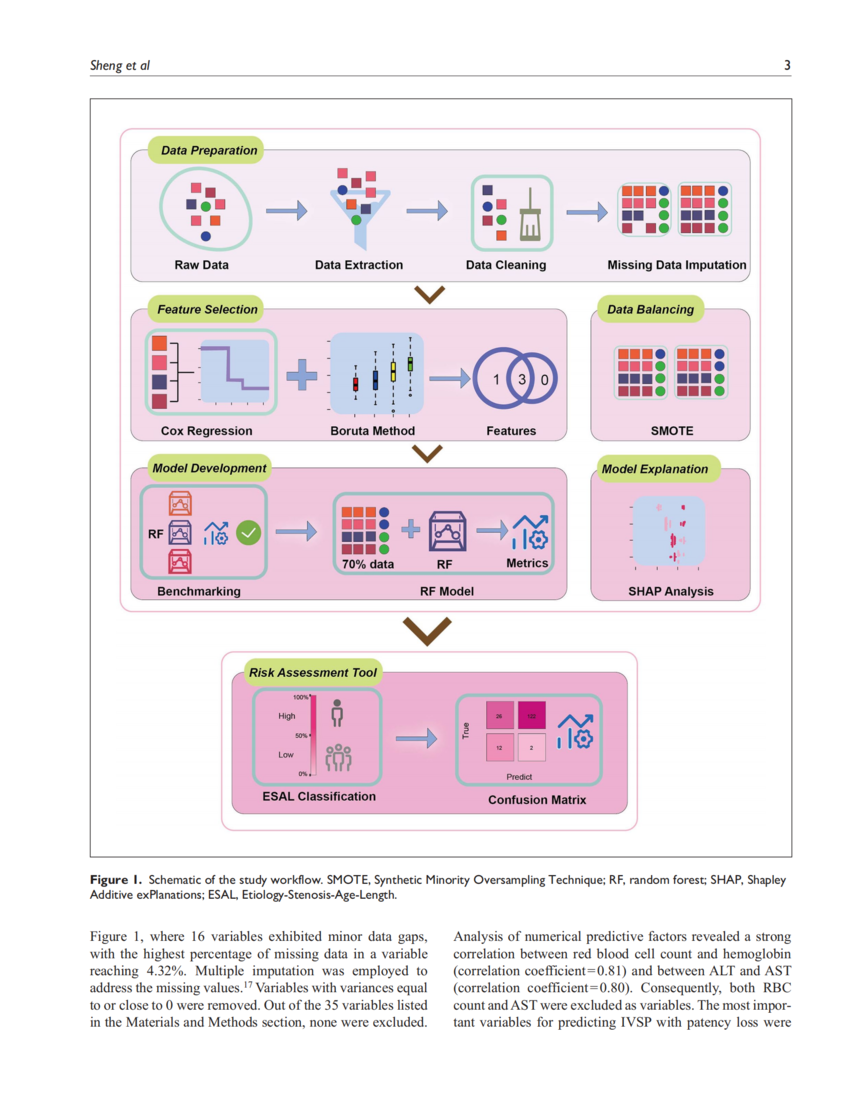
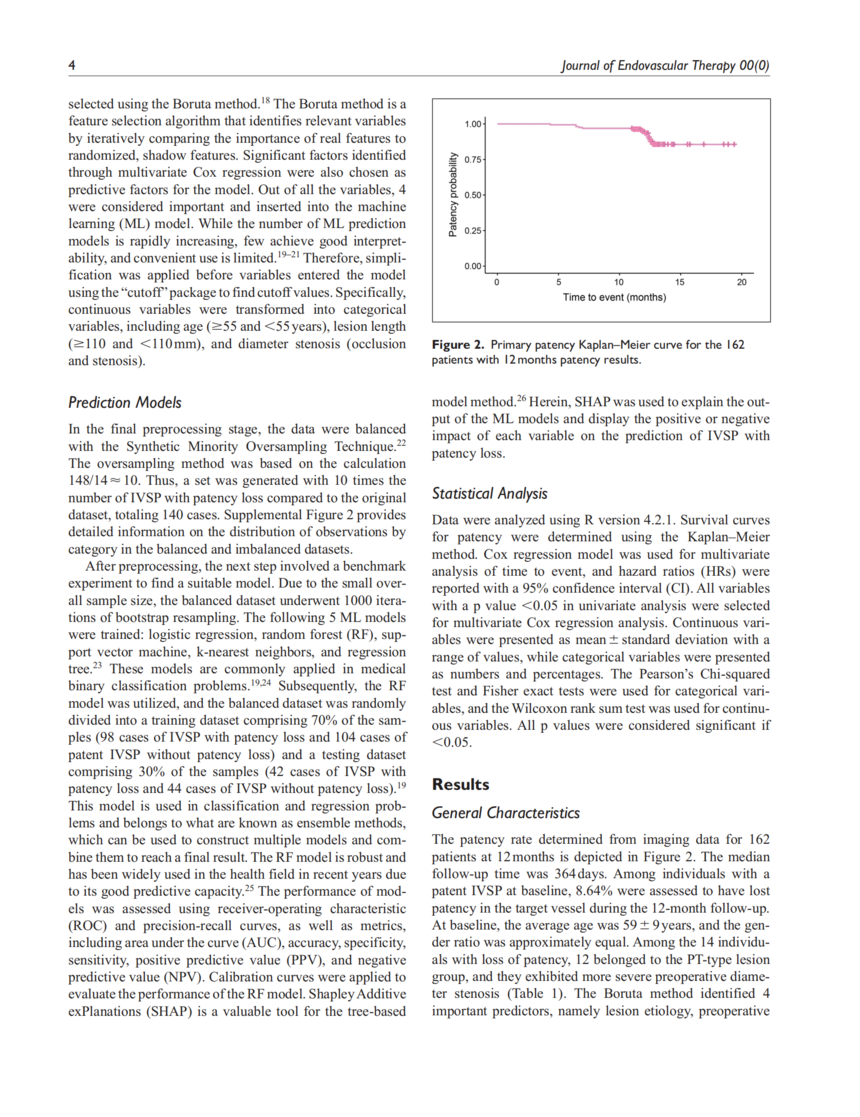
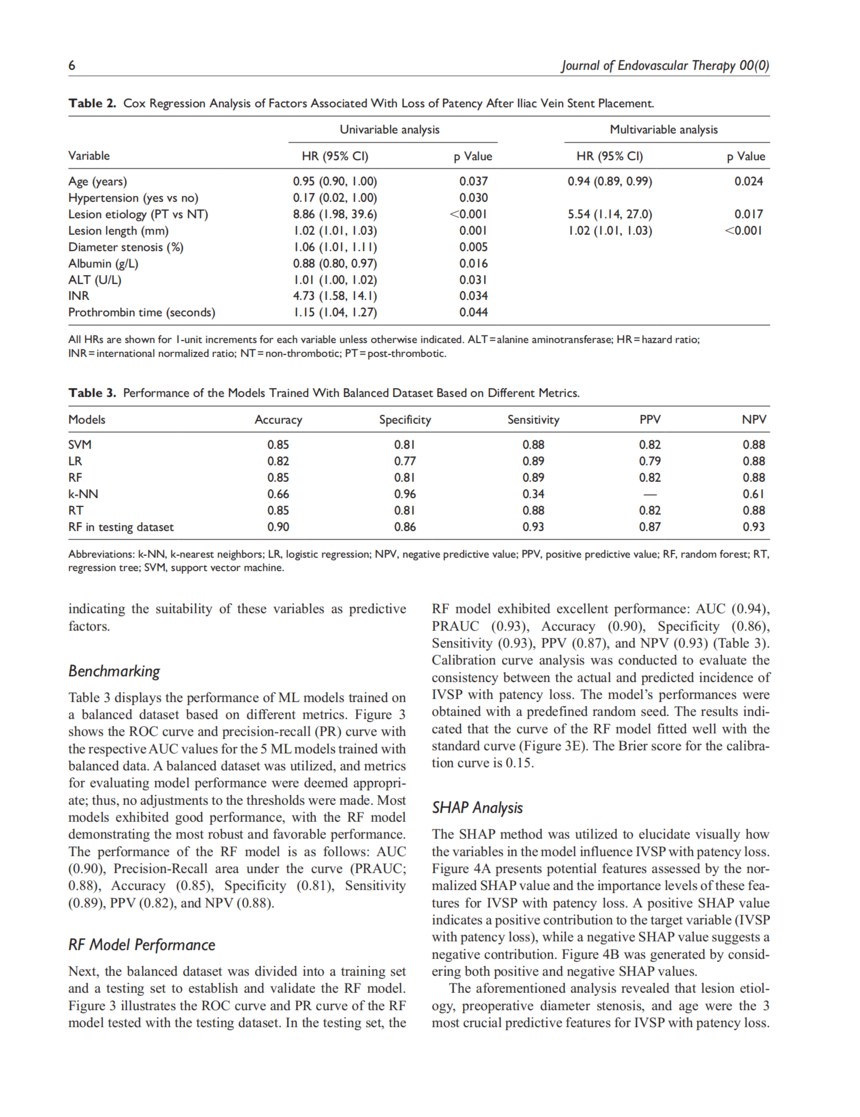
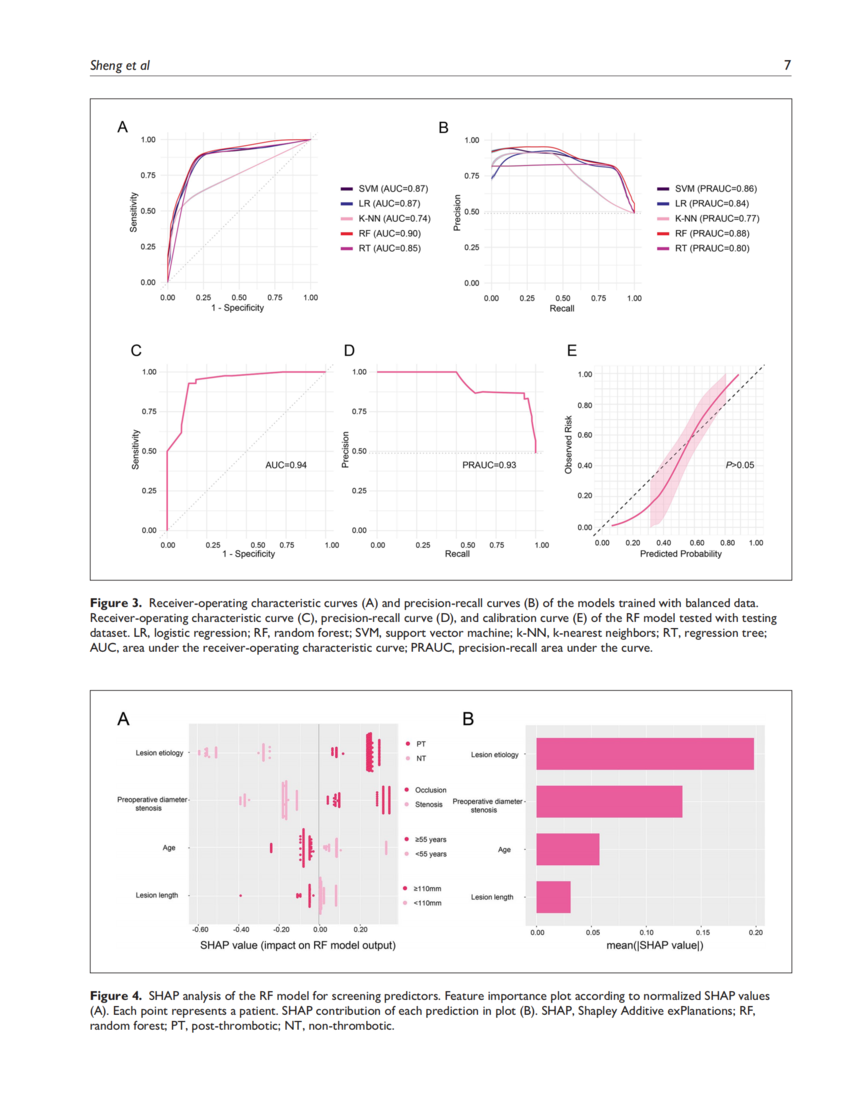
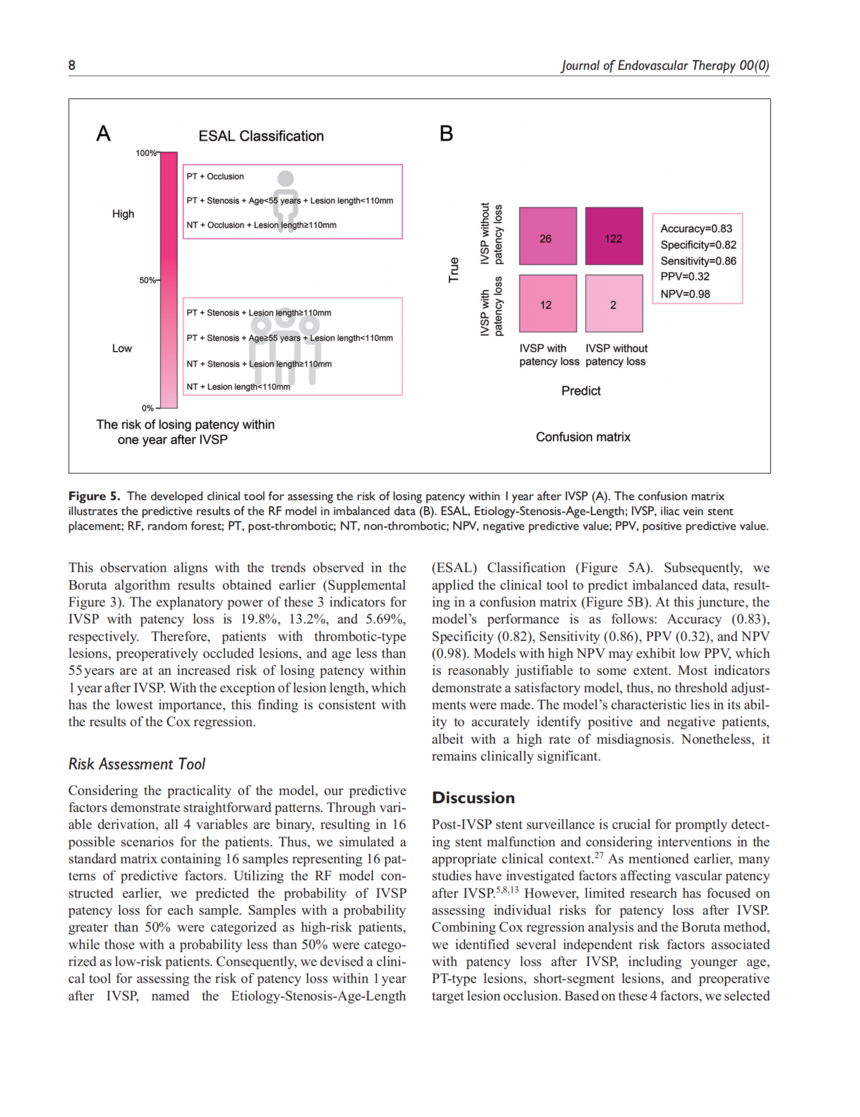
Based on baseline characteristics and 12-month follow-up data of 162 patients receiving IVSP treatment (2020-2021), key predictive factors were determined using Boruta algorithm and Cox regression: lesion etiology (PT vs NT), preoperative stenosis degree, age, and lesion length. Using a random forest (RF) model, the validation set showed excellent performance (AUC=0.94, sensitivity 93%, specificity 86%) through SMOTE balanced data (148 cases of patency vs 14 cases of occlusion).
Key findings:
The risk of postoperative thrombotic lesions (PT) in patients is 5.54 times higher than that of non thrombotic lesions (NT) (HR=5.54, 95% CI 1.14-27.0).
Younger patients (<55 years old) have a higher risk (HR=0.94, 95% CI 0.89-0.99).
Clinical significance:
Tool value: ESAL classification provides a rapid risk assessment tool for clinical use, helping to identify high-risk patients who require close follow-up (such as young patients with PT type lesions).。
Application scenario: Guide postoperative anticoagulation strategy adjustment, optimize follow-up frequency, and reduce secondary intervention costs.
Conclusion:
This study is the first to transform machine learning (random forest+SHAP) into a clinical "fast screening tool" for IVSP postoperative risk prediction. By simplifying clinical variables and constructing practical tools, it provides new ideas for personalized healthcare. While reducing medical costs and optimizing resource allocation, it also benefits patients. Low risk patients should avoid blind anxiety, which can reduce unnecessary examinations. Timely intervention for high-risk patients can reduce the rate of secondary surgery.